Interviews

Interviews

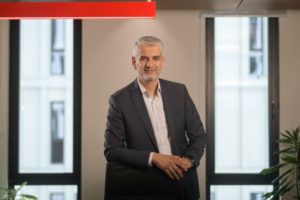
Interview with Mr. Mirsad Haliti, CEO at ProCredit Bank Albania

December 16, 2025
/ / /
Comments Closed

“2025 has been a year of significant progress for ProCredit Bank Albania, marked by solid growth in financing and deposits alongside major investments in technology and digital innovation.”

FIAA: ProCredit Bank’s performance and strategic priorities

ProCredit Bank has had an important year in 2025, including the launch of new SME financing schemes. How would you describe the bank’s overall performance this year, and what strategic priorities, particularly in digitalization, automation, and sustainable financing, are guiding you into 2026?


Mr. Haliti: 2025 has been a year of significant progress for ProCredit Bank Albania. We achieved solid growth in both financing and deposits while maintaining a disciplined approach to risk and liquidity. At the same time, we made substantial investments to strengthen our foundation for the future. Technology was a key priority, with upgrades to existing digital platforms and the introduction of new solutions such as Apple Pay—where we were the first bank in Albania to offer this convenient payment option—alongside preparations for additional digital services designed to further enhance the client experience.

Beyond technology, we invested in expanding and modernizing our branch network and advisory centers to deliver better guidance and improve overall client interaction. We also grew our team considerably to support business expansion and service quality. A major milestone was the move to our new Head Office, a modern workspace designed to foster collaboration and efficiency.

Another highlight was the launch of several financing programs in partnership with the EBRD, focused on supporting SMEs in areas such as energy efficiency, green investments, and digital transformation. These programs combine funding with incentives and technical assistance, helping businesses upgrade and remain competitive.

All these initiatives—and more—position us to deliver faster, safer, and more convenient banking for both individuals and businesses. Looking ahead, we will continue to build on this momentum with further digital innovations and sustainable financing solutions that enable SMEs to modernize and grow responsibly.


Supporting SMEs in a changing market

Given the evolving dynamics of Albanian SMEs, from rising costs to formalization and digital transformation, how do you assess the main challenges and opportunities for this segment, and how is ProCredit Bank positioning itself to support sustainable business growth?


SMEs are the core of our business – they represent the largest share of our loan portfolio and remain central to our strategy. Their success is vital for economic growth, and we see ourselves as a trusted partner in helping them achieve it.

The business environment is shifting quickly, with companies facing higher operating costs, stricter compliance requirements, and the need to embrace new technologies. These changes can be demanding, but they also create opportunities to improve efficiency and competitiveness. Our role is to make this transition easier. We provide clear, responsible financing and practical guidance that enable businesses to invest in modernization, strengthen their operations, and plan the future.

We also focus on simplifying banking through digital solutions and streamlined processes, saving time and reducing complexity so entrepreneurs can concentrate on what matters most—their business. By combining financial support with expertise and modern services, we help SMEs adapt with confidence and grow sustainably and with a forward-looking approach.


Banking sector resilience and innovation

How do you evaluate the resilience of the Albanian banking sector in 2025 amid shifting interest rates, regulatory changes, and growing demand for digital services? What innovations or service enhancements is ProCredit introducing to meet these expectations and strengthen the client’s experience?


The banking sector remained stable throughout 2025, supported by sound monetary policy and solid fundamentals, even as the pace of innovation accelerated. SEPA integration modernized payment systems, and at ProCredit Bank we introduced Apple Pay and a redesigned e-Banking platform to deliver a faster, more secure experience for clients.

Our transformation is ongoing, guided by an ambitious roadmap. In the coming months, we will launch a new mobile banking application offering a fully digital experience with enhanced functionality, speed, and security. Digital onboarding will allow clients to open new banking accounts entirely online, and a new digital loan origination system will make it possible to apply for small-ticket loans and receive funds without visiting a branch. We are also preparing to introduce a credit card with flexible features, and later, instant payments that will enable transactions to be processed in real time, 24/7.

These advancements are about more than technology; they are about making banking simpler, safer, and more efficient. At the same time, we continue to expand financing solutions that help businesses invest in energy efficiency and digital transformation. This combination of stability and innovation ensures we meet client expectations while supporting sustainable growth.


Leadership and institutional culture

In your leadership role at ProCredit Bank Albania, what principles guide you in building strong teams and cultivating a culture of responsibility, transparency, and long-term thinking within the organization?


For me, leadership is rooted in clarity, integrity, and responsibility. Decisions should be guided by principles rather than short-term gains, and they must inspire trust across the organization. I believe in creating an environment where people feel empowered to perform at their best, which starts with clear expectations, open communication, and ensuring that everyone understands the purpose behind our priorities.

Transparency and ethical conduct are essential, and teams are encouraged to think beyond immediate results and consider long-term impact. Continuous learning and merit-based development remain central, as competence and integrity form the foundation of sustainable success. Structured training, constructive feedback, and supportive leadership help build motivated, collaborative teams capable of delivering exceptional value.

The goal is to foster a culture where responsibility and sustainability guide decisions, and where innovation and client focus are balanced with prudence and professionalism. This approach strengthens the institution and ensures lasting value for clients and society.


Your role on the FIAA Board

As a member of the FIAA Board, how do you view the association’s role in strengthening dialogue with the government and improving the business climate, including the climate developing in the banking sector? Which issues do you consider most critical for foreign investors at this stage, especially for those operating in the banking sector?


FIAA plays an important role in shaping Albania’s business environment by fostering constructive dialogue between the private sector and the government. One of its greatest strengths is the openness of institutions to listen and engage, particularly when proposals come from international companies that bring global best practices and advanced standards. This collaborative approach helps accelerate reforms that strengthen competitiveness and align Albania more closely with European standards.

For foreign investors, priorities include ensuring fair competition, reinforcing the rule of law, and improving the efficiency of judicial processes. Significant progress has been made in these areas, and continued efforts will further enhance predictability and transparency—key factors for attracting investment and supporting Albania’s EU integration. Reducing bureaucracy and increasing formality in the economy are also welcomed steps toward creating a more business-friendly environment.

In banking specifically, addressing challenges such as the high level of cash transactions, improving the speed and effectiveness of court procedures, and resolving land ownership complexities will contribute to greater confidence and stability. These improvements, combined with broader institutional strengthening, will help businesses operate more efficiently and compete successfully in the European market. FIAA remains committed to supporting these objectives and serving as a constructive partner in Albania’s ongoing economic development.


Personal question: Your professional journey

You are a professional from Kosovo who has built a successful career in German banking and in Albania. What has motivated this cross-border journey, and how do you see your personal and professional contribution to the Albanian economy?


My professional journey began 25 years ago, working with international organizations before I joined ProCredit Bank in Kosovo. At that time, ProCredit was one of the first private banks in the country after the war, and its presence – alongside other international actors – played an important role in advancing Kosovo’s economy. I spent 15 years with ProCredit in Kosovo, during which the bank became a market leader and a key contributor to the development of the financial sector. Those years were formative for me. I attended numerous trainings, workshops, and business meetings in Frankfurt, where our Group is headquartered, which enabled me to bring German standards and best practices back home. These experiences helped introduce modern initiatives and innovations that strengthened competitiveness within the banking system.

In 2018, I moved to Albania with the motivation to share the experience I had gained over the years and contribute in a meaningful way. As part of a group operating across multiple countries, we continuously exchange knowledge and strive to bring innovations wherever we operate. Albania has great potential, and being part of its progress has been both rewarding and inspiring.

Banks are essential for economic development, and I feel fulfilled knowing that, through my role, I have made a modest contribution to strengthening the Albanian banking industry and supporting the country’s integration into European standards. It has been a journey of learning, sharing, and building—one that I truly enjoy and remain committed to. Looking ahead, I am optimistic about Albania’s future and will continue working to ensure that our banking practices promote competitiveness, transparency, and sustainable growth.

Read More

Mrs. Pranvera Papamihali, Principal SEE, Country Manager Albania of Pedersen and Partners

April 11, 2025
/ / /
Comments Closed

FIAA: Pranvera, you joined the organization almost at the same time when you started the operations of Pedersen & Partners in Albania. What motivated you to join FIAA already at the early stages of doing business in Albania?

Mrs. Papamihali: Pedersen & Partners was founded in 2001 by Poul Pedersen with the vision of delivering world-class Executive Search services in emerging markets across Central and Eastern Europe—countries that were just stepping out of the communist era. Our mission was to support multinational companies entering markets such as the Czech Republic, Hungary, Poland, Romania, Slovakia, Bulgaria, Croatia, Serbia and many more, by helping them fill the gap in local C-level leadership talent as a fully integrated search firm, capable of conducting cross-border assignments and offering truly international reach.

Albania became part of this exciting journey in 2007, as the 16th office we opened. At that time, the country was just beginning to emerge from one of the most restrictive communist regimes in the region. It was still an unexplored and highly challenging market—but also one full of potential for international companies looking to establish their presence.

Operating in such an environment, especially with far less developed communication tools and technology than today, made it clear that there was a strong need to connect with the international business community. That’s exactly why we saw FIAA as a vital platform from the very beginning of our entry in Albania. The organization, offered businesses an excellent way to come together—initially in a more informal, yet highly valuable manner. While at the same time, it provided an opportunity to understand the local business landscape better, learn from others’ experiences, and explore how we could collectively contribute to a more dynamic and thriving economy.

What has changed ever since in the business environment in Albania? How has FIAA evolved in your view and how can it further shape the development of this environment?

Over the past two decades, the business environment in Albania has evolved significantly, reflecting the country’s broader efforts toward modernization, economic integration, and alignment with European standards. In parallel, FIAA has evolved significantly—broadening its membership base, diversifying across a range of industries, and representing companies from an increasingly wide array of countries.

It has been a two-way learning journey. FIAA has benefited from the wisdom, strong corporate culture, and Western mentality of its member organizations, which helped the association grow into a more structured and impactful institution. At the same time, we as members found in FIAA a reliable interlocutor—a constructive partner in engaging with government authorities and the diplomatic corps, all with the shared goal of creating not just successful businesses, but a level playing field for all investors operating in Albania. For many of us, joining FIAA was a natural decision—it aligned seamlessly with our core values of collaboration, shared knowledge, and long-term growth.

Today, FIAA offers a wide spectrum of services to its members, including consultancy and information services, market research, networking opportunities, lobbying, advocacy, policy development, coordination, and publications. In my view, FIAA’s role is more relevant than ever. It can further shape Albania’s business climate by continuing to be a trusted platform for collective engagement, proactive policy dialogue, and the voice of international investors.

Your business operates in a very important field, especially nowadays when the search for talents has established a very competitive human resources market. What are the challenges that companies in Albania experience in this regard? And more specifically, how difficult is the search for executives from Albania and/or for foreign executives to be employed in Albania?

Indeed, the search for leadership talent has become increasingly competitive—not just in Albania, but globally. However, in the Albanian context, this challenge is more nuanced due to several structural and demographic factors.

One of the main hurdles companies face is the limited pool of experienced, senior-level executives with exposure to international standards, digital transformation, and change management. This is further compounded by the ongoing emigration of skilled professionals, which reduces the available talent base and intensifies the competition for high-potential individuals.

Another recurring issue is attracting and retaining qualified talent, especially in industries undergoing rapid transformation such as banking, energy, and technology. The expectations of younger professionals are evolving—they seek purpose-driven organizations, flexible working models, and fast-track development opportunities. Companies must now invest more in their employer branding, culture, and leadership development programs to stay competitive in the talent market.

When it comes to hiring Albanian executives, the key lies in identifying individuals who not only bring strong technical expertise, but also demonstrate the strategic mindset, adaptability, and leadership agility needed to thrive in dynamic business environments. The encouraging news is that the Albanian diaspora continues to be a rich source of high-calibre professionals. Many of them are increasingly open to returning home—as long as the opportunity is meaningful and offers a clear, long-term career trajectory. That said, more work remains to be done to make Albania an attractive destination not only professionally, but also personally. Improvements in the country’s education and healthcare systems are essential, particularly for those who have emigrated in search of better living conditions. These factors play a crucial role in shaping the decision of whether to return—and stay.

On the other hand, over the past decade, the opportunity to attract senior executives from abroad to work in Albania has improved significantly, reflecting broader developments in the country’s economic, social, and business landscape. First and foremost, Albania’s business environment has become more structured and internationally aligned making the country more attractive to foreign professionals who seek impactful leadership roles in developing markets in two directions – working for international and Albanian owned companies that are growing in scale and complexity, thus offering more strategic and rewarding leadership opportunities that go beyond operational management, and often involve transformation, innovation, and regional responsibilities. Especially for locally owned companies, we have seen success when there is a clear mission, strong company vision, and openness to integrating international leadership into the local culture.

Finally, Albania’s EU integration path and increased visibility on the international stage have contributed to a more favourable perception among global executives. We’ve also seen positive developments in infrastructure, lifestyle, and safety, which are important factors when attracting senior talent from abroad.

At Pedersen & Partners, we help bridge these gaps by leveraging our global network, cross-border search capabilities, and deep local insight. We support companies not only in identifying top talent but also in assessing cultural fit, onboarding, and aligning leadership capabilities with business strategy. It’s not just about filling a role—it’s about creating long-term impact through the right leadership.

What does it take to be a successful executive? And what does it take to be successful in an interview for an executive job position?

Over the years, working closely with senior leaders across industries and countries, I’ve come to believe that being a successful executive goes far beyond having a strong CV or technical knowledge.

It’s about having the courage to lead with purpose, the clarity to see the big picture, and the humility to listen and adapt. The best executives I’ve met are those who can make tough decisions while staying human, who lead by example, and who genuinely care about their people. We speak about coaching and mentoring type of leadership rather than managing and “commanding”

In today’s world, where uncertainty and transformation are part of the daily reality, I believe the true strength of an executive lies in resilience, emotional intelligence, and the ability to inspire others through change. It’s also about staying curious—never thinking you’ve learned it all—and being open to feedback, no matter how experienced you are.

As for succeeding in an interview at this level—it’s not about impressing with titles or polished phrases. It’s about showing authenticity, self-awareness, and real stories of how you’ve made an impact. Interviewers want to understand how you think, what you value, how you lead in challenging times, and what kind of legacy you aim to leave behind. At the end of the day, executive leadership is a journey, not a destination.

You are an example of a strong woman, able to be successful in her profession while maintaining a flourishing private life. What would be some tips that you would share with your younger self about the life challenges to a woman in business and diplomacy?

Looking back on my journey, if I were to offer advice to my younger self, it would be about embracing balance and being kind to myself. At a certain level, as a woman, there’s often an unspoken pressure to excel in all areas—professional achievements, family, and personal life. It’s easy to fall into the trap of thinking you must be perfect in every way.

One of the first lessons I would share is to ask for help and embrace teamwork. You don’t have to carry the weight of everything on your own. As women, sometimes we think we have to prove ourselves by doing it all, but it’s okay to lean on others. It is important to surround yourself with people who can help, support, and understand your journey—whether that’s family, friends, or colleagues.

Another piece of advice would be to trust your own instincts. So often, I felt like I needed to fit into a specific model of what a woman in business or diplomacy should be. But looking back, I realize that the moments when I’ve felt most fulfilled and at my best were when I embraced my own way of leading—with empathy, openness, and authenticity. Trusting yourself and being true to who you are is what sets you apart.

Lastly, I would remind myself to celebrate the small victories, both personal and professional. We’re so quick to move on to the next challenge, but taking the time to appreciate how far you’ve come, even in the smallest ways, can bring so much peace. Balancing work and life is a journey, and it’s okay if things don’t always go according to plan.

So, my advice to my younger self would be: be patient with yourself, trust your unique path, and don’t forget to enjoy the ride. It’s not about perfection; it’s about progress, balance, and taking time to appreciate the beautiful moments along the way.

Read More

Mrs. Griselda Koçi, Sales Director for Albania, Kosovo and North Macedonia

February 17, 2025
/ / /
Comments Closed

FIAA: Griselda, it is over a year now since you joined Schneider Electric for Albania, North Macedonia and Kosovo as the Country Director, could you tell us more about this experience of yours in these markets especially in Albania?

Mrs. Koçi: Our markets are relatively small in comparison to more mature economies, but exactly because of this they have a very big growth potential. In all of the three countries our business has been steadily growing in result and we see all the good prerequisites for this to continue. Albania is considered the high runner of the region, showing ambition and huge proactivity in different fields. Still, operating in an international environment shows us that we have to learn and to adopt a new mindset if we want to continue with the growth. With every step we undertake, the requirements put on us grow and in order to keep the pace we will need to stay flexible and agile. This applies both for individual professionals and for local industries.

While in a process of rapid growth in the energy sector worldwide, Schneider looks to respond effectively to the growing demand for its services and solutions. How important is for Schneider the embracement of new technologies in responding to this demand?

New technologies are the only possible enabler of this growth and change. Our company is very dynamic both in its internal transformation and in the offer development. New tools are introduced and adopted constantly in the way we work, and the launches of new products are part of our daily activities. There is a saying that you cannot manage what you don’t measure, so this is what we do in our operations, and what we offer to the market as well.  At the heart of our systems – either in building management or power monitoring, or our industrial applications – is data gathering and visualization. Once you know what’s going on you can be in control – of your consumption, your process, and your efficiency. And technologies really help us be in control and achieve efficiency.

It is evident that Schneider is working towards transforming countries, changing industries, and ultimately improving lives. There must be some challenges related to this. Which are the main challenges that you are facing nowadays while working in this industry?

I will continue here my answer from the previous question: the main challenge is to properly harness all technologies to serve man. This hi-tech environment we live in can be very demanding and this is why a lot people still resist and believe that their old ways of working are better for them. Bridging between today and a more tech-intensive tomorrow is part of the industry’s leader duties. That’s why we aim to be more extrovert in all countries where we have successful operations. By showcasing how new technologies contribute to success and prosperity we can support future growth and help businesses be more confident in order to stay competitive in an international environment.

In addition to the Albania market, you are responsible also for the Kosovo and North Macedonia markets. How differ these markets from one another when it comes to new business opportunities and further plans for more investments in the Energy Industry?

The energy markets in Albania, Kosovo and North Macedonia each offer unique opportunities for growth and investment. Albania is rapidly expanding into solar and wind energy, creating exciting prospects for new developments. Kosovo, which has traditionally relied on coal, is undergoing a significant transformation, focusing on renewable energy and modernizing its infrastructure. Meanwhile, North Macedonia is making great strides in its energy transition, positioning itself as a key player in regional energy integration and green investments. With supportive regulatory frameworks and increasing demand for sustainable solutions, all three markets present a dynamic landscape for future energy investments.

You are a long-standing FIAA member, with over ten years of presence in our business network. What has been your experience with the association so far and how would you like it to develop in the next few years?

The platforms for business exchange like FIAA are of special significance not only for the business itself but for our society as a whole. They connect us and help us develop better practice in different areas, they address media and gain public presence, so that business can put a positive mark on the everyday culture and of course they build networks that can support us in our daily agendas.

Read More

Mr. George Blekas, Managing Director at INTRACOM TELECOM Albania S.A

December 4, 2024
/ / /
Comments Closed

“Considering Albania’s rigorous efforts towards enhancing its digital infrastructure and services, there is substantial potential for growth in the ICT sector”


FIAA: George, you have lived in Albania for many years and run one of the model companies in the ICT sector. What is your experience with this sector and what are the major developments over the past ten years?

Mr. Blekas: The ICT market in Albania has transformed remarkably since I began my tenure here in 2008. Initially, the landscape was marked by rudimentary connectivity, primarily fixed and mobile 2G networks, while digital services were scarcely understood and utilized. Noteworthy is the significant leap during the COVID-19 pandemic, which catalysed a heightened demand for digital services. This shift accelerated Albania’s progression towards robust digital infrastructure including the introduction of Gigabit fibre in homes and 5G mobile networks. This has been complemented by affordable pricing structures, making these advanced technologies accessible to a much wider audience. The country’s strategic emphasis on enhancing broadband infrastructure, as a pivotal element of its digital strategy, has created a fertile ground for innovation ecosystems. These ecosystems are essential in driving productivity, fostering economic growth, and creating job opportunities. Albania’s focused efforts in this domain aim to propagate the macroeconomic benefits derived from digital advancements across all sectors of the economy.

In addition to Greek market, Intracom Telecom is present also in many other countries. How important is the Albanian market for Intracom Telecom Albania S.A, foreseeing the latest digital development and the new technologies in the country?

Intracom Telecom group steams back in the distant 1977 and is currently approaching half a century of experience, having local presence in over 20 countries, exporting to over 70 countries, running 3 R&D centres, and making 70% of our business in international activities. Our journey in Albania started in 1998, initially providing our payphones all over the country, which have proven to be the connection of Albanians to the world for many years. A few years later, in 2001, this evolved into establishing a fully staffed local office, operating continuously and successfully since then. Over the years, we have spearheaded numerous IT and infrastructure projects across various sectors, both for the private sector (fixed and mobile telco operators, banks, etc) as well as for the public sector. Considering Albania’s rigorous efforts towards enhancing its digital infrastructure and services, there is substantial potential for growth in the ICT sector. This environment could provide significant expansion opportunities for our operations, contributing to Albania’s expanding digital footprint and aligning with our global expansion objectives.

What are the main challenges that you face in terms of investments, human resources, quality of services, and market?

A predominant challenge in the Albanian market is the phenomenon known as “brain-drain”. Despite a steady improvement in the quality and relevance of educational outcomes in ICT and related fields, many skilled professionals opt to pursue careers abroad, creating a deficiency in local expertise. This scarcity compounds the challenges related to project implementation, driving up costs and exerting pressure on operational efficiency. The local business community, including FIAA and other associations, frequently highlights this issue as a critical barrier to sustainable development within the ICT sector. Addressing this challenge is imperative to ensure the availability of skilled human resources that can match the growth trajectory of the ICT infrastructure and service demands in Albania.

Another area that improvement can be achieved for the overall Telco market investments, is the legislation about the Construction and Infrastructure Permits. The Albanian legislation treats Construction Permits (e.g. for mobile telephony antennas) and Infrastructure Permits (e.g. for fixed network optic fibre), the same as any other construction permit, both in procedures, deadlines and in the required documentation. From other countries’ experience, these are considered public services and should not be treated as ordinary private constructions, since their implementation improves not only revenues for the companies that offer these services and the state that accumulates more taxes from the investments, but mainly brings benefits for the general public in providing more and higher quality services. In other words, improving the Albanian digital infrastructure (higher broadband penetration and speeds, in line with EU directives), making Albania even more attractive for investors. The delays in obtaining these permits because of the long procedures, plethora of documents required and delays experienced, have led to a slowdown of the Telco investments and consequently to the lack of quality mobile and fixed networks services in some areas of the Albanian territory, as well as missing revenues for the companies themselves and consequently state taxes.

As a good connoisseur of Albania and Albanian people, if you could change something in the way the ICT sector and business in general functions in Albania, what would it be?

To enhance transparency and accountability within the ICT sector, I would advocate for the establishment of an institution akin to the USA’s Accountability Office. This body would be tasked with auditing governmental and business projects, benchmarking performances, and ensuring compliance with set standards.

In the realm of ICT, the challenges of project delays and failures are not mere setbacks; they are significant impediments to the stride of a country’s developmental march. These stumbles can be attributed to a range of factors, from inadequacies in planning and execution to a lack of expertise and technological know-how. Project delays and failures can have far-reaching consequences. When ICT projects stumble, it’s not just an isolated impact on a single service or application; there’s a ripple effect that can hamper everything from e-governance and infrastructure to education and emergency services. In an increasingly digital world, these delays can significantly restrain a country’s capacity to compete on a global stage, thwarting efforts to attract investment, improve public services, and foster economic growth. To sidestep these pitfalls and accelerate progress, there’s merit in considering a diversified portfolio of project contributors, notably those with a proven international track record.

You are a long-standing FIAA member for nearly two decades. What has been your experience with the association so far and how would you like it to develop in the next few years?

To start with a statement, it has been both an honour and a privilege to be such a long-standing member, where my association with FIAA has been rewarding and enlightening. As a crucial platform for consolidating the interests and voices of businesses, FIAA plays a pivotal role in shaping market dynamics. My vision for FIAA in the upcoming years is to see it evolve into an even more dynamic, participatory organization where members are not merely passive subscribers but active contributors. By engaging more comprehensively in committees and initiatives, businesses can collaboratively work towards expanding the market – benefitting not just individual entities but enhancing the overall economic landscape. This collective effort is essential in fostering an environment conducive to sustainable growth and shared prosperity.

Closing, I would encourage all businesses to join such collective efforts, to join FIAA and get active, participate some of the many business-sector committees and work with FIAA to mature the market and enlarge the pie for us all, the State, the Businesses, and the People.

Read More

Dr. Cemil Acar, General Manager at AlbChrome

July 19, 2024
/ / /
Comments Closed

FIAA: Dr. Acar, it’s been more than two years since you started leading Albchrome in Albania. Could you share some insights about your work in the mining industry in Albania? How does it differ from your previous experiences in Türkiye or elsewhere?

Dr. Acar: It is a well-known fact that Albania is located within the world-class mineralization belt, the so-called “Tethyan Belt,” which extends more than 10,000 km from Eastern Europe through Türkiye and across Asia. Thanks to this rich geological occurrence, Albania has significant mineral potential, particularly in terms of chrome and nickel, along with some minor scale base metal mineralization’s, such as copper. Small to medium-scale chrome resources have been exploited for more than 75 years in the region. Nearly half of the ore production has been converted into a semi-end product, ferrochrome, locally for over 40 years, serving the global stainless-steel industry and adding value to the Albanian economy.

Read More

Mr. Philipp Koronowski, Founder at VEGA GROUP

April 30, 2024
/ / /
Comments Closed

“While building trust in our technology and solutions, we aim contributing to a more sustainable and greener future”


FIAA: In our last General Assembly, we got to know you through your impressive candidature speech and your charisma. What is your background, Philipp?

Mr. Koronowski: I hold a degree in electrical power engineering and business administration, specializing in renewable energy technologies from RWTH Aachen University—one of Europe’s premier institutions for electrical engineering. It was here that I met my friend Bruno, who would become my business partner. Together, we envisioned starting a solar construction company in Albania, attracted by its untapped market potential and abundant solar production capabilities. My initial visit to Albania as a tourist solidified my commitment to this venture. Prior to founding Vega Solar, Bruno and I improved our competence in Germany, working across various residential, commercial, and industrial solar projects. This experience equipped us with the essential practical knowledge to establish and grow our business in Albania.

Read More

Mr. Elvis Ponari, Chief Executive Officer of SIGAL Uniqa Pension Fund

April 4, 2024
/ / /
Comments Closed

“I do see a trend towards greater digitization and innovation in the insurance and pension sectors”

FIAA: You are the Chief Executive Officer of SIGAL Uniqa Pension Fund. How challenging is to operate in a field which is still rather unknown to the Albanian citizens? Why does it make sense to look for private pension solutions in Albania and what is the Austrian experience in this regard?

Mr. Ponari: Operating in a field that is still unfamiliar to many Albanians can indeed be challenging, but it also presents an opportunity to educate and inform citizens. Private pension solutions offer individuals the chance to take control of their financial future, rather than relying solely on state pensions. By understanding the benefits of private pensions and dispelling any superstitions or misconceptions, Albanians can make right decisions that will benefit them in the long run.

Read More

Mr. Balázs Révész, CEO of Vodafone Albania and Chairman of the FIAA Committee on Digital Economy

November 6, 2023
/ / /
Comments Closed

“Turning Albania into the most important digital hub in the Western Balkans it would require coordinated efforts from business, the government, and universities”

FIAA: Mr. Révész, this year you were appointed CEO of Vodafone Albania, following a successful career in Vodafone Hungary. What are the experiences that you bring to Vodafone Albania?

Mr. Révész: I was born and raised in Hungary, although all of my professional experience of over 15 years was spent into a multinational environment. During the first 12 years of my career, I worked for Procter&Gamble, a well known multi brand, US based company. My latest role with them was Heading the Commercial Operations, responsible for 9 countries in the Central European region. During my tenure with them, I mastered brand management, P&L ownership, marketing, commercial management, and leadership in a highly diverse, multinational corporation.

Read More

Mrs. Stela Dhami, Managing Partner of Colliers Albania

July 24, 2023
/ / /
Comments Closed

“FIAA stands as the epitome of excellence in representing the international business community in Albania”

FIAA: Stela, you recently joined for the second time as Member of the Board of Directors of FIAA. What is your perspective for the upcoming two years in the organization?

Mrs. Dhami: Dear Marinela, President D’Oria, esteemed Board members, and honorable members of FIAA,

I am deeply honored to be granted the opportunity to serve on the Board of FIAA for another two-year term. In my view, FIAA stands as the epitome of excellence in representing the international business community in Albania. Over the years, it has played a pivotal role as the primary intermediary between the business sector and the government, driving numerous beneficial business initiatives. Recently, the establishment of the Energy Council and the HR Committee exemplify FIAA’s commitment to enhancing the significance of the energy sector and the impact human resources have in our enterprises.

Read More

Mr. Constantin von Alvensleben, Country Manager of Voltalia Albanie and Chairman of FIAA’s Energy Industry Council

April 19, 2023
/ / /
Comments Closed

“Government needs structured feedback from Business on its legislative initiatives”

FIAA: Mr. Constantin, you joined recently Voltalia Albanie as the Country Manager in an important phase such the Project Construction. Could you tell us about this experience of yours in Albania?

Mr. Alvensleben: I started as Country Manager for Voltalia in Albania in November, have now been on the job for half a year and must say that I really enjoy having joined the energy field. Compared with air transport it is a much more competitive sector, and the current situation where Albania is moving to diversifying its energy mix, introducing more solar and more wind energy sources, presents a lot of opportunities.

Read More